
Bidets are taking over American bathrooms at a pace no one predicted — and once you understand why, you’ll want one too.
If you’ve been wondering whether bidets are just a passing trend or a lasting shift in how people approach personal hygiene, the answer is clear.
Yes, Bidets Are Becoming More Popular in the U.S.
The growth is real, and it’s accelerating.
Before the pandemic, bidets were a niche product in the United States — something you might encounter in a European hotel but never think to install at home.
That changed dramatically when toilet paper disappeared from store shelves almost overnight.
People who had never thought twice about their bathroom routine were suddenly forced to look for alternatives — and millions of them discovered that a bidet was not just a replacement for toilet paper, but a genuine upgrade.
Search interest in bidets jumped by over 84% in mid-March 2020 alone, and unlike most pandemic buying sprees, that interest never fully went back down.
The bidet market in the U.S. has been growing at a rate of 14–16% per year, and that trajectory has only strengthened since 2020.
The Toilet Paper Shortage Changed Everything
It’s hard to overstate how much the 2020 toilet paper crisis shifted American attitudes toward bidets.
Panicked buying cleared out store shelves within days, and bidet retailers saw their electronic inventory sell out in under two weeks.
What’s remarkable is what happened after the panic subsided: people who bought bidets kept using them.
They weren’t just a stopgap — they were a better solution.
Awareness created during that period stuck around because people realized that water simply cleans better than paper.
If you want to understand how bidets compare to toilet paper across every dimension — hygiene, cost, and environmental impact — the contrast is striking once you see the data laid out.
9 Reasons Bidets Are Growing in Popularity
There’s no single reason bidet adoption is climbing — it’s a combination of factors that all point in the same direction.
**1. Better Cleanliness**
A stream of water is simply more effective than dry paper.
It rinses away residue that paper can only smear around, leaving you feeling genuinely clean rather than just wiped.
That difference in how you feel is often what converts people permanently.
**2. Water Savings**
It takes roughly 37 gallons of water to manufacture a single roll of toilet paper.
A bidet uses about one-eighth of that to do a better job of cleaning you.
When you look at the math at scale — the average American goes through over 140 rolls per year — the water savings from switching to a bidet are significant.
**3. Environmental Benefits**
Manufacturing toilet paper consumes enormous amounts of trees and water.
If a meaningful portion of Americans switched to bidets, the environmental impact would be measurable in tens of millions of trees saved annually.
For anyone thinking about their environmental footprint, this is one of the most concrete lifestyle changes you can make.
Check out the full comparison in our article on bidet vs wet wipes to see how all these alternatives stack up for the environment.
**4. Real Cost Savings**
The upfront cost of a bidet pays for itself faster than most people expect.
A quality bidet attachment can cut your toilet paper spending by over 60%, and across a household, that adds up to hundreds of dollars a year.
Our deep dive into how much money bidets actually save breaks down the numbers across one, five, and ten year timeframes — the figures will likely surprise you.
**5. Comfort**
Toilet paper is abrasive by design — it relies on friction.
A gentle water spray is simply more comfortable, especially for anyone with sensitive skin, hemorrhoids, or frequent bathroom use.
Most people who switch describe the difference as immediately noticeable.
**6. Pandemic Resilience**
The events of 2020 taught a lot of households a practical lesson: depending entirely on a supply chain for something as essential as personal hygiene is a vulnerability.
A bidet with a reliable water connection removes that dependency entirely.
**7. Accessibility for Seniors and People with Mobility Issues**
For older adults and anyone with limited mobility, reaching and wiping can be genuinely painful or difficult.
A bidet handles the work automatically, improving independence and dignity.
Our article on the best bidets for seniors covers the most accessible options in detail.
**8. Better Hygiene and Reduced Germ Spread**
Water cleans more thoroughly than paper, and cleaning with a bidet requires far less hand contact with contaminated areas.
That reduction in contact means fewer opportunities for bacteria to transfer.
For households focused on hygiene — particularly those with young children or immunocompromised family members — this is a meaningful benefit.
You can read more about the full pros and cons of bidets to get a balanced picture of what you’re signing up for.
**9. An Enhanced Bathroom Experience**
Modern bidet seats go far beyond basic cleaning.
Heated seats, adjustable water temperature and pressure, air dryers, night lights, and self-cleaning nozzles have turned the bathroom into something closer to a spa.
Once you experience a heated seat on a cold morning, there’s no going back.
If you’re ready to upgrade, the TOTO WASHLET C5 is one of the most popular choices for homeowners who want premium features without stepping into the luxury price bracket.
TOTO WASHLET C5 Electronic Bidet Toilet Seat
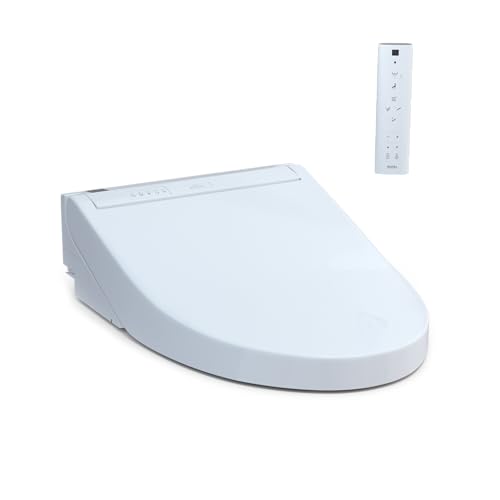
The TOTO WASHLET C5 is a fully automated electric bidet seat with warm water cleansing, an oscillating spray, a heated seat, air dryer, and EWATER+ self-cleaning wand technology — a great entry point into premium bidet ownership.
Check its current price on Amazon
Why Did Bidets Take So Long to Catch On in America?
The slow adoption in the U.S. has historical roots that are more cultural than practical.
In the 19th century, plumbing itself was associated with the upper class, and bidets carried additional stigmas that were never fully shaken.
Toilet paper became the standard early, thanks in part to Seth Wheeler’s 1891 patent for perforated paper rolls, and plumbing trends in the U.S. have always moved slowly.
The bidet market before 2020 also lacked variety — most options were traditional standalone fixtures that required significant bathroom renovation.
The explosion of bidet seat attachments and toilet seat replacements changed all that by letting people add bidet functionality to any existing toilet without any plumbing work.
If you’ve wondered whether you can install a bidet on your existing toilet, the answer in almost every case is yes — and it’s easier than you might think.
The Role of Plumbers and Home Renovation in Bidet Growth
One underappreciated driver of bidet adoption is the role of plumbing professionals.
As plumbers become more familiar with bidet products and begin recommending them during bathroom remodels and new builds, the category reaches buyers who might never have gone looking on their own.
When a trusted professional says “you might want to consider this,” people listen.
That professional endorsement, combined with the growing availability of easy-install products, is accelerating adoption particularly among homeowners undertaking renovations.
What Type of Bidet Should You Start With?
If you’re new to bidets, the variety of options can be overwhelming.
For beginners or anyone on a budget, a non-electric bidet attachment like the TUSHY Classic 3.0 is an excellent entry point — it installs in under ten minutes and works with virtually any standard toilet.
TUSHY Classic 3.0 Bidet Toilet Seat Attachment

The TUSHY Classic 3.0 is a non-electric bidet attachment with a self-cleaning SmartSpray nozzle, adjustable water pressure, and a slim design that fits most standard two-piece toilets — a no-commitment way to start your bidet journey.
Check its current price on Amazon
For those who want more features, a bidet toilet seat is the next step up.
Our guide to the best bidets for existing toilets covers options at every price point, from under $100 to premium electric models.
If you’re debating between a handheld sprayer and a full seat, our breakdown of handheld bidet vs bidet seat walks through the real-world differences.
And if you’re in the market for an all-in-one unit, our roundup of the best bidet toilet combos covers integrated options that replace your toilet entirely.
FAQ
Are bidets sanitary?
Yes — bidets are generally more sanitary than toilet paper because water provides a more thorough clean and reduces hand contact with contaminated areas.
Modern bidet seats also feature self-cleaning nozzles that rinse themselves before and after each use, keeping the hardware hygienic.
Do bidets leave you wet?
They do spray water, so you’ll be damp after use.
Electric bidet seats often include a built-in air dryer, while non-electric models typically require you to pat dry with a small amount of toilet paper or a reusable bidet towel.
You can read more about this in our post on whether bidets leave you wet.
Do you need to wipe before using a bidet?
No — that’s one of the most common misconceptions.
The bidet’s water spray does the cleaning, so there’s no need to pre-wipe.
Our article on whether you need to wipe before using a bidet explains exactly how the process works.
Are bidets hard to install?
Bidet attachments and seat replacements typically take under 15 minutes and require no plumbing experience.
You remove your existing toilet seat, attach the bidet unit, and connect it to the existing water supply line.
Conclusion
Bidets are not just becoming more popular — they’re becoming the new normal for Americans who prioritize cleanliness, comfort, and sustainability.
The combination of better hygiene, real cost savings, environmental benefits, and increasingly accessible products has removed almost every barrier to adoption.
Whether you’re curious about bidet etiquette before making the switch or you’re already convinced and comparing models, the resources on this site can guide you to the right choice.
The best time to make the switch was during the pandemic.
The second best time is right now.