If you’ve ever wondered whether a bidet can actually save you money, you’re not alone — and the answer will likely surprise you.
Bidets are one of the smartest financial decisions you can make for your bathroom, and in this article you’ll see exactly how the numbers add up.
Yes, Bidets Do Save You Money — Here’s How Much
Let’s get straight to the point.
The average American household spends roughly $800 or more per year on toilet paper alone.
Over five years, that’s more than $4,000 flushed away — literally.
A quality bidet seat, on the other hand, is a one-time purchase.
When you factor in the minimal cost of water and electricity, a bidet typically costs a fraction of what you’d spend on toilet paper over the same period.
The savings for a typical household can reach well over $3,500 over five years — and that number grows as your family grows.
If you’re still weighing your options, our guide to the pros and cons of bidets is a great starting point before you commit.
How Much Do You Actually Spend on Toilet Paper?
Most people dramatically underestimate their toilet paper spending.
A single person in the US uses roughly 100 rolls of toilet paper per year, while the average household of four uses closer to 400 rolls.
At current prices, that comes out to $800–$1,000 per year for a family.
Think about that — you’re spending nearly a thousand dollars a year on something you flush away.
If you’re comparing options and want to go the affordable route first, check out our picks for the best bidets under $100 — these non-electric options slash your toilet paper use immediately without any upfront electricity costs.
What Does a Bidet Actually Cost to Run?
One of the most common misconceptions is that bidets must use a lot of water or electricity.
In reality, they use neither very much.
A bidet uses roughly one-eighth of a gallon of water per use — far less water than what’s required to manufacture a single roll of toilet paper.
As for electricity, an average electric bidet seat consumes around 211 kWh per year, which works out to roughly $17 annually at average US electricity rates.
That’s less than $1.50 per month to run your bidet.
If you’re concerned about electricity costs, features like eco mode and tankless heating — found on models like those in our best bidets under $300 guide — can cut that figure even lower.
Toilet Paper Production: The Hidden Cost You’re Paying For
Here’s something most people don’t think about: toilet paper is incredibly resource-intensive to make.
Every single roll requires about 37 gallons of water and 1.5 pounds of wood to produce.
For a household using 400 rolls a year, that’s 14,800 gallons of water consumed in manufacturing — before the toilet paper ever reaches your bathroom.
Bidets flip this equation entirely.
By cutting toilet paper use by over 60%, you’re not just saving money — you’re also reducing your environmental footprint significantly, as explored in detail in our article on why bidets are becoming more popular.
The Real Breakeven Point for a Bidet
Let’s put real numbers together.
A solid entry-level bidet attachment costs around $30–$50.
A mid-range electric bidet seat runs $150–$400.
Even at the higher end of that range, you’re breaking even in less than six months when you factor in toilet paper savings.
After that, every month is pure savings.
If you want options at every price point, we’ve broken it all down in our guides for bidets under $200, bidets under $500, and even bidets under $1,000 for premium buyers.
A Product Worth Considering
If you’re ready to start saving, one of the most popular and well-reviewed options on the market is the TOTO Washlet C5.
TOTO Washlet C5 Electronic Bidet Toilet Seat
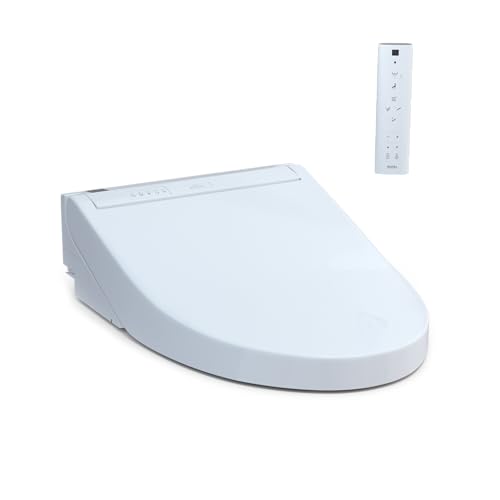
The TOTO Washlet C5 is one of the best-value electric bidet seats available, offering warm water washing, a heated seat, warm air drying, and an energy-saving mode that keeps running costs minimal — it’s the kind of long-term investment that pays for itself within a few months of toilet paper savings.
Check its current price on Amazon
Do Bidets Save Money for Renters Too?
Yes — in fact, renters are some of the biggest winners here.
You don’t need to do any plumbing work to benefit from a bidet.
Non-electric bidet attachments simply connect to the existing water supply under your toilet tank, requiring no tools and no landlord approval in most cases.
Our guide to the best bidets for renters walks you through exactly which options work best for rental situations, and our list of best affordable bidets has plenty of budget-friendly picks that are renter-approved.
Long-Term Savings: What 5 Years Looks Like
Here’s a simple breakdown of the five-year picture for a family of four:
Without a bidet: $800/year × 5 years = $4,000 spent on toilet paper.
With a bidet: $300 purchase + $85 in water/electricity over 5 years = ~$385 total cost.
That’s a savings of over $3,600 over five years — and that figure assumes toilet paper prices stay flat, which they historically haven’t.
If you want to go deeper on what you’re actually getting per dollar, our bidet toilet seat comparison chart is the best place to compare features side by side.
FAQ
How long does it take for a bidet to pay for itself?
Most bidets pay for themselves in toilet paper savings within 3 to 6 months.
Even a premium electric seat in the $300–$400 range will break even in under a year for an average household, after which every month represents pure savings.
Does a bidet increase my water bill noticeably?
No — the impact on your water bill is negligible.
A bidet uses only about one-eighth of a gallon per use, which is far less water than what’s used in toilet paper manufacturing.
Your water bill increase will typically be less than $2–$3 per year.
Do bidets save money compared to wet wipes too?
Absolutely.
Wet wipes are even more expensive than toilet paper on a per-use basis, and they cause serious plumbing problems that lead to costly repairs.
Our detailed look at bidets vs wet wipes covers the cost comparison in full.
Can a bidet completely replace toilet paper?
Yes, for most people.
Electric bidets with warm air dryers eliminate the need for toilet paper entirely.
Even without a dryer, many users switch to bidet towels — small, reusable cloths that cost a few dollars and last for years.
We cover the full experience in our article on whether a bidet replaces toilet paper.
Conclusion
The math is clear: bidets save you real money, and they start doing it almost immediately.
Whether you choose a simple $35 attachment or a full-featured electric seat, you’ll be spending far less within the first year — and saving thousands over the long run.
If you’re still unsure where to start, our best bidets for home use guide is the perfect next read.
You’ll wonder why you waited so long to make the switch.