Choosing between a bidet and toilet paper is one of the most impactful hygiene decisions you can make for your health, comfort, and wallet.
If you’ve ever wondered which option truly comes out on top, you’re in the right place — here’s the full, honest breakdown.
Bidets Clean Better Than Toilet Paper
Think about it this way — if you got mud on your hand, would you just wipe it off with a dry paper towel and call it clean?
Of course not.
You’d wash it with water.
Yet most people apply a completely different standard to their most sensitive area after using the toilet.
Wiping with toilet paper doesn’t actually remove waste — it smears it.
Water, on the other hand, physically rinses everything away, including bacteria that paper simply can’t reach.
This is one of the main reasons switching to a bidet can significantly reduce your risk of UTIs, which is particularly important for women — as explained in detail over at our guide on how to use a bidet as a woman.
And the cleaning is completely hands-free, which means no accidental contact with the area you’re trying to clean.
Toilet Paper Can Actually Hurt You
It might seem harmless, but toilet paper can cause real physical damage.
Even the softest brands have a rough enough surface to create micro-tears and scratches on the delicate skin in your private area.
Those tiny tears don’t just sting — they create an opening for the very bacteria you were trying to wipe away to enter your body.
Water from a bidet, being a liquid, carries zero risk of causing abrasions.
You simply adjust the pressure to a comfortable level and let the stream do its job gently and thoroughly.
If you want to understand more about the physical experience, check out our article on how it feels to use a bidet.
Bidets Are Far Better for Comfort in Special Situations
There are moments in life when toilet paper goes from merely ineffective to genuinely painful.
Hemorrhoids, constipation, post-partum recovery, and menstruation are all situations where wiping with dry paper is the last thing you want to do.
A bidet’s gentle, warm water stream provides soothing relief instead of friction and irritation.
For people with hemorrhoids in particular, reducing the need to wipe aggressively can make a significant difference to daily comfort — something we cover in depth in our full breakdown of bidet pros and cons.
The same logic applies to seniors and people with limited mobility, who can struggle to reach and wipe effectively.
A bidet transforms a physically demanding task into something simple and dignified — our article on the best bidets for seniors goes into which models work best for accessibility.
TUSHY Classic 3.0 Bidet Attachment

If you’re ready to make the switch without committing to a big investment, the TUSHY Classic 3.0 is one of the most popular and highly-rated non-electric bidet attachments available today — it installs in under 10 minutes and connects directly to your toilet’s water supply, with no plumber needed.
Check its current price on Amazon
The Environmental Case Against Toilet Paper Is Overwhelming
The average American uses around 140 rolls of toilet paper per year.
Manufacturing each single roll requires roughly 37 gallons of water and contributes to deforestation — with estimates suggesting one person’s lifetime toilet paper use accounts for over 380 trees.
A bidet, by contrast, uses only a small stream of water per use — and non-electric bidets consume zero electricity on top of that.
Even an electric bidet’s power consumption is minimal compared to the environmental cost of continuous toilet paper manufacturing.
If reducing your environmental footprint matters to you, this comparison isn’t even close.
Bidets Save You Significant Money Over Time
The upfront cost of a bidet puts some people off, but the math strongly favors making the switch.
The average American household spends between $120 and $180 per year on toilet paper alone.
A bidet, used heavily, costs just a few dollars a year in water — and as our dedicated article on whether bidets save money explains, a family of four can save over $3,700 in just five years.
Entry-level bidet attachments start well under $100, meaning you can recoup your investment within a year.
If you want to explore the range of options available at different budgets, our best bidets for home use guide is a great starting point.
TOTO WASHLET C5 Electronic Bidet Seat
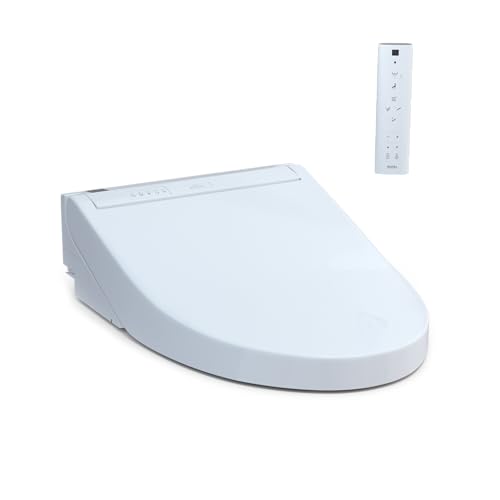
For those who want to go all-in on the experience, the TOTO WASHLET C5 is one of the most trusted electric bidet seats on the market — offering adjustable warm water, a heated seat, air deodorizer, warm air dryer, and self-cleaning wand technology that leaves you completely fresh without a single sheet of toilet paper.
Check its current price on Amazon
So Why Does Toilet Paper Still Dominate in America?
Habit is a powerful thing.
Toilet paper has been the default in American bathrooms for generations, and switching to something new — even something objectively better — requires breaking a deeply ingrained routine.
There’s also a lingering cultural unfamiliarity with bidets that doesn’t exist in Europe or Asia, where bidet use is common and widely accepted.
The good news is that perception is shifting fast, and more Americans are discovering what the rest of the world has known for decades.
If you’re curious whether a handheld sprayer might suit you better than a seat attachment, our comparison of handheld bidets vs bidet seats will help you figure out the best fit.
You can also explore the broader debate in our bidet vs jet spray comparison to see how different formats stack up.
FAQ
Do bidets actually get you fully clean?
Yes — a bidet’s pressurized water stream is far more effective at removing waste and bacteria than wiping with dry paper.
You can adjust the pressure and angle to ensure thorough cleaning every time, and many electric models include oscillating and pulsating spray modes for even better results.
Do bidets leave you wet afterward?
You may have some residual moisture, which you can easily pat dry with a small amount of toilet paper or a dedicated bidet towel.
Electric bidet seats often come with a warm air dryer built in, which eliminates the need for paper entirely — our article on whether bidets leave you wet covers all your drying options in detail.
Is toilet paper bad for the environment?
Yes, significantly so.
The production of toilet paper requires enormous amounts of water, wood pulp, and energy — and it generates continuous waste with every use.
A bidet dramatically reduces or eliminates that footprint, making it one of the easiest eco-friendly swaps you can make in your daily routine.
Are bidets hygienic to use?
Absolutely — and in most ways they’re far more hygienic than toilet paper.
Modern bidet nozzles are self-cleaning and retract when not in use, meaning there’s no cross-contamination risk.
The water used comes from the same clean supply line as your tap, not from the toilet bowl.
Conclusion
When you weigh up hygiene, comfort, cost, and environmental impact, bidets win on every front.
Toilet paper is a habit, not the best solution — and once you make the switch, most people wonder why they waited so long.
Whether you start with a simple attachment like the TUSHY Classic 3.0 or go all-in with a full electric seat, you’re making a decision that’s better for your body, your bank account, and the planet.
If you want to dig deeper before deciding, check out our full bidet toilet vs bidet seat comparison or browse our guide to the best bidets for existing toilets to find the perfect match for your bathroom.