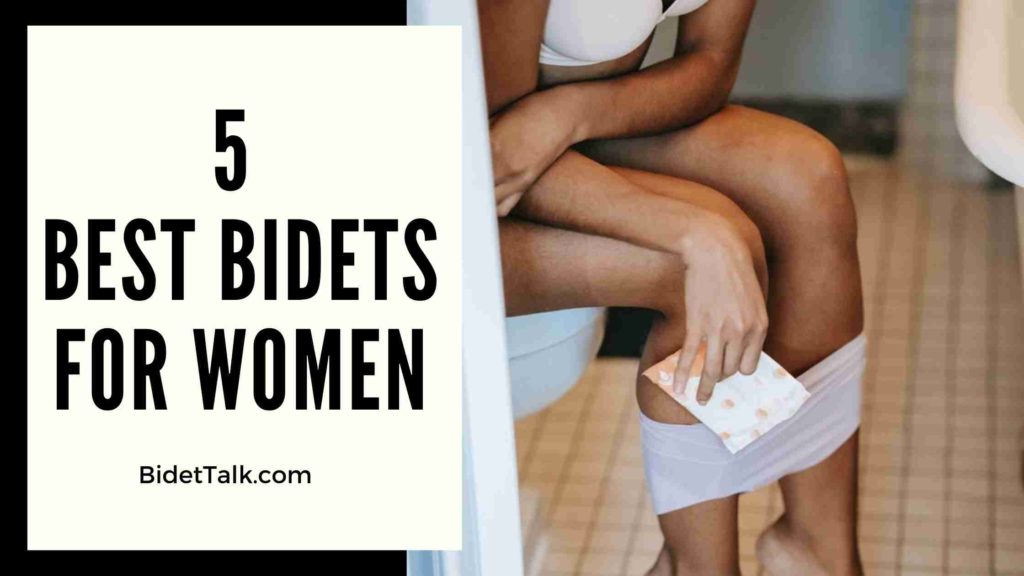

Using a bidet as a woman is simple — but knowing the right technique makes all the difference for your hygiene and comfort.
Whether you’re brand new to bidets or looking to get more out of yours, this guide covers everything you need to know.
Always Spray Front to Back
The single most important rule for women using a bidet is to always direct the water spray from front to back.
Spraying in the wrong direction — from back to front — risks pushing bacteria from the rectal area toward the vaginal opening, which can lead to infections like vaginitis or urinary tract infections (UTIs).
This rule applies to every bidet type: whether you use a handheld sprayer, a bidet seat, or a standalone unit.
If your bidet has a feminine wash mode, that setting is specifically designed for women — it uses a wider, gentler spray pattern to clean the vaginal area safely.
Use it after urinating or during your period for the best results.
If you’re still weighing your options, check out the best bidets for women to find one that includes a dedicated feminine wash setting.
How to Use Different Types of Bidets
Knowing the technique is one thing — but the type of bidet you own changes how you actually use it.
Here is a quick breakdown of the most common options.
Bidet seats are the most convenient for women.
Once you’ve finished using the toilet, simply press the front wash or feminine wash button and the nozzle does the work for you — no positioning required.
Most seats include adjustable water pressure and temperature, a warm air dryer, and a self-cleaning nozzle, making them genuinely hands-free from start to finish.
If you’re curious how these compare to other options, this handheld bidet vs bidet seat comparison lays out the differences clearly.
Handheld bidet sprayers give you full control over angle and pressure.
Hold the sprayer to the side, point it forward, and spray from front to back using a low-to-medium pressure setting.
These are budget-friendly and easy to install — but they do require a little more coordination to use correctly.
The pros and cons of handheld bidets are worth reading if you’re considering this route.
Portable bidets are a great option when you’re traveling.
Charge or fill the bottle, point the nozzle from front to back, and squeeze or press the button to spray.
If you frequently travel and want to maintain your hygiene routine on the go, the best battery powered bidets are worth exploring.
Dry Off Thoroughly After Every Use
This step is one that many first-time users overlook — and it matters a lot for women.
Leaving moisture in the vaginal area creates a warm, damp environment where bacteria and yeast can thrive, increasing your risk of fungal or bacterial infections.
After using the bidet, always dry off properly.
You can use a small piece of toilet paper, or switch to reusable bidet towels — just keep your clean and used towels in separate baskets to prevent cross-contamination.
If your bidet seat has a built-in warm air dryer, use it.
A gentle warm airflow is one of the most hygienic drying options available, especially because it avoids any friction on sensitive skin.
Use a Bidet That’s Built With Women in Mind
TOTO WASHLET C5 Electronic Bidet Toilet Seat
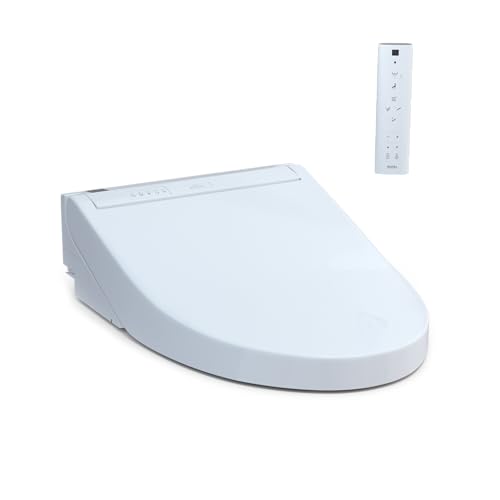
The TOTO WASHLET C5 is one of the best bidet seats for women thanks to its dedicated front cleanse mode, adjustable oscillating spray, and self-cleaning EWATER+ wand that keeps the nozzle sanitary between uses.
Check its current price on Amazon
Get the Pressure and Temperature Right
Setting your bidet to the right water pressure and temperature is key — not just for comfort but for safety.
For women, the vaginal and rectal areas are sensitive, and using too much pressure or water that’s too hot can cause irritation, burns, or damage.
Start with the lowest pressure setting and a warm — not hot — water temperature.
Work your way up gradually until you find what feels comfortable and effective.
A gentle spray is usually enough to get thoroughly clean without any discomfort.
If your bidet has adjustable settings and you’re not sure where to start, the complete bidet etiquette guide covers the do’s and don’ts in detail.
Using a Bidet During Your Period
A bidet is genuinely useful during menstruation.
The gentle water spray cleans more effectively than toilet paper, which can cause irritation when skin is already sensitive.
If your bidet has warm water control, a slightly warm setting can even help ease cramps during cleaning.
The feminine wash mode is especially helpful during your period — it targets the vaginal area directly, helping you feel fresh between pad or tampon changes.
You can also rinse a menstrual cup right on the toilet, which makes the whole process faster and more hygienic.
For a deeper dive into this topic, the article on using a bidet on your period covers everything you need to know.
The Benefits for Women Go Beyond Basic Hygiene
Women experience several life stages where a bidet offers real comfort advantages over toilet paper.
During pregnancy, reaching with toilet paper becomes increasingly difficult as your belly grows.
A bidet solves this entirely — no stretching required.
The warm water also soothes hemorrhoids, which are common during pregnancy, without the friction that wiping causes.
Postpartum recovery is another time when a gentle water rinse is far more comfortable than any paper product.
Women who are prone to UTIs also benefit from the thorough, hands-free cleaning that bidets provide — and you can read more about how bidets compare to toilet paper in terms of hygiene.
On top of all this, switching to a bidet cuts your toilet paper usage significantly, which means real savings over time — something the do bidets save money guide explains in full.
Keep the Nozzle Clean to Avoid Infections
One concern women often raise about bidets is whether the nozzle itself is hygienic.
It’s a fair point.
A dirty nozzle can harbor bacteria, and if it’s not clean, it defeats the purpose of using the bidet in the first place.
Clean the nozzle regularly with mild soap and water — most bidet seats make this easy with a nozzle cleaning mode that extends the wand for manual wiping.
Electric bidet seats with an EWATER+ or self-cleaning nozzle system clean themselves automatically with each use, making this much less of a concern.
If you’re comparing bidet options to make the right choice, checking the best bidets for home use is a great starting point.
FAQ
Is it safe for women to use a bidet every day?
Yes, daily use is completely safe as long as you spray front to back, use appropriate pressure, and dry off thoroughly afterward.
Consistent use can actually reduce the risk of infections compared to relying on toilet paper alone.
Can a bidet cause a UTI?
It can if used incorrectly — specifically, if you spray from back to front.
A clean nozzle and the correct direction eliminates this risk.
Women who are already prone to UTIs should consult their doctor before switching, but most find that a properly used bidet actually reduces UTI frequency.
What’s the best bidet type for women?
An electric bidet seat with a feminine wash mode is the top choice.
It’s hands-free, has adjustable warm water and pressure settings, and often includes a built-in dryer — everything you need in one unit.
You can explore the full breakdown of bidet toilets vs bidet seats to decide which form factor suits your bathroom.
Should I use a bidet during pregnancy?
Yes — bidets are particularly helpful during pregnancy.
They make cleaning easier without requiring awkward stretching, and warm water can help soothe hemorrhoids that often develop during this time.
Always consult your healthcare provider if you have any concerns, but for most pregnant women, a bidet is a welcome comfort upgrade.
Conclusion
Using a bidet as a woman comes down to a few simple habits: always spray front to back, dry off properly, keep the nozzle clean, and choose a setting that suits your body.
Once you get the technique right, a bidet is one of the most hygienic and comfortable upgrades you can make to your bathroom routine.
If you’re ready to make the switch, start with the best bidets for women to find a model that fits your needs — or explore the full pros and cons of bidets if you’re still weighing the decision.
You might also enjoy reading about how it feels to use a bidet for the first time — it’s one of the most common questions from new users, and the answer might surprise you.